A week in my skincare: travel-friendly products for a short trip
A seven-day trip is an excellent test of whether a skincare routine is genuinely useful or simply an excuse to own more products. I wanted every item to earn its place, whether I was spending two hours at home or checking into a Melbourne hotel room with damp hair and half a suitcase of clothes.
My trip combined a flight from Sydney with four nights in Melbourne, including walks around Fitzroy and Brighton, café mornings, a workout and a day on Phillip Island. The change in weather was useful: Sydney was warm and humid when I left, while Melbourne offered sunshine, gusty wind and air-conditioned shops within the same afternoon.
My approach was to maintain the foundations rather than overhaul them. Cleansing, hydration, sunscreen and a little makeup remained non-negotiable. Exfoliating acids, strong peels and new active ingredients were less important, especially when I could not control how much sun or wind I encountered each day.
The result was a compact routine that survived airport security, hotel bathrooms and long days without becoming complicated. More importantly, my skin stayed comfortable, and I stopped the habit of rebuilding an entire bathroom shelf every time I travelled.
Keep the routine familiar and portable
The best travel skincare is usually the routine you already understand. A complicated eight-step system may work at home, but airport delays and unfamiliar taps can turn it into a frustrating chore. I reduced mine to products that could handle both a quick morning and a longer evening without requiring separate tools or extra washing.
Before packing, I revisited my skin-texture guide and thought about texture rather than marketing language. My priorities were a clean but non-stripping finish, enough hydration for air-conditioned interiors and makeup that would remain comfortable through the day.
That translated into a small tube cleanser, a lightweight moisturiser, a hydrating serum and sunscreen. I chose versions I knew would layer without pilling, because a formula that behaves differently every morning can be as troublesome as a missing product. I also packed a richer night cream for the hotel, since I could apply it after cleansing without worrying about carrying it around all day.
A useful test is to remove one product at a time before the trip. If your skin becomes noticeably irritated when it is gone, replace it with a familiar option. If you barely notice, leave it behind. My kit became smaller each time I asked whether an item offered genuine convenience rather than familiar comfort.
Cleanse gently without overpacking
Travel cleansing needs to remove sunscreen, makeup and daily grime without leaving skin tight. I packed a creamy cleanser in a small tube and used lukewarm water, even when the Melbourne afternoon felt warm. A hot shower followed by an aggressive wash was never the combination my barrier enjoyed.
The cleanser mattered because Australian summer can prolong the feeling of sweat on skin. I preferred a formula that emulsified easily and did not leave a squeaky surface. On active skin or days spent in makeup, I gave it more attention and massaged it for longer. On a pared-back day, a quick double cleanse was unnecessary unless sunscreen had accumulated.
I kept one cream cleanser rather than bringing separate gels, balms and oils. It handled the range of conditions better than I expected, including the dry air in the plane and the cooler evenings when I returned to Sydney. Cleansing wipes travelled as a convenience for an unusually long day, never as a substitute for washing my face.
I also reviewed treatment timing before leaving home. For anyone considering injectable options, my PDO threads notes explain the appointment and aftercare considerations that influenced my decision not to schedule anything immediately before travelling. A little swelling or an unfamiliar routine can be inconvenient when you are checking into a hotel and heading straight to a café the next morning.
At home, I might use a retinoid every second night or add a clarifying exfoliant. During the trip, I kept those steps optional and checked how my skin responded. No treatment was worth the risk of irritated skin appearing in every photograph.
Support the barrier through changing conditions
Moisture was the product I reached for most often. Melbourne’s air conditioning left my skin noticeably less comfortable by the end of the afternoon, while the flight itself introduced dry cabin air. I packed a moisturiser that absorbed quickly in the morning and created enough softness beneath sunscreen and makeup.
The application method was deliberately simple: a small amount of serum while my skin was still slightly damp, followed by moisturiser. I used an extra layer at night rather than overloading my face during the day. This approach prevented the shiny finish that can occur when too much product is left to sit under makeup.
For makeup, I selected cream products where practical and limited the number of steps. A tinted sunscreen or light foundation provided coverage, while a cream blush and lipstick did not require another brush set. I kept a compact powder for the places where my skin became shinier and used blotting paper rather than adding layer after layer.
The day-to-day reality of an Australian trip shaped these choices. I walked extensively, carried a reusable bottle and stopped for coffee on the way to a class or appointment, which meant my makeup needed to survive movement and changing temperatures. I was rarely stationary for long enough to repair a face at midday.
I also noticed that a hat and sunglasses did more for comfort than an extra setting powder. Hair sat differently in the wind, and makeup had to accommodate that rather than fight it. The best result came from choosing flexible products, not attempting to create a flawless finish that could not survive the actual itinerary.
Make Australian sun protection non-negotiable
Sunscreen is the one step I would never remove to save space. Australia’s UV levels can reach extreme categories, particularly around midday, and the combination of beach light, exposed skin and Melbourne’s unpredictable sun makes a travel formula particularly useful. I used a broad-spectrum, water-resistant SPF 50+ product every morning.
Under Australian law, sunscreen is an AUST L-listed therapeutic good regulated by the Therapeutic Goods Administration. Permitted products must comply with Australian Standard AS/NZS 4130, so the labelled sunscreen strength is based on an established testing standard rather than a purely cosmetic claim. I still checked the label for broad-spectrum coverage and water resistance.
Finding the right match between formula and lifestyle mattered. My SPF guide covers the differences between mineral and chemical filters, finishes and everyday use. For a mixed trip, I wanted something that would wear well under makeup, tolerate perspiration and not sting when applied close to my eyes.
I carried enough sunscreen for the entire week rather than planning to replace it halfway through. Sunscreen is easy to find in Australia at pharmacies such as Chemist Warehouse, at Priceline and through beauty retailers such as Mecca and Ulta Beauty, but the familiar formula was more convenient than buying a new one in transit.
The habit I practised was straightforward: apply it before leaving, then reapply every two hours when I was outdoors. I repeated that after swimming, sweating heavily or wiping my face with a damp cloth. On days spent mostly indoors, I still used it for the walk to breakfast and the long afternoon near the coast.
Build two compact travel beauty lists
I divided the bag into a cabin kit and a secondary bag for checked luggage or longer stays. The cabin kit held only what I needed between leaving home and reaching the hotel. Everything could fit within Australian domestic aviation security limits, which generally require containers of 100 mL or less to be carried in the cabin.
For the cabin
- A 100 mL or smaller gentle cleanser
- A compact moisturiser in a non-aerosol tube
- One hydrating serum in a small bottle
- A cream cleanser, sunscreen stick or tinted SPF for touch-ups
The sunscreen stick earned its place on sightseeing days because it was less messy than applying lotion while balancing a hat, sunglasses and a camera. I did not treat the stick as a complete replacement for my primary sunscreen; it was there for the hours between proper applications.
The liquid allowance influenced the entire kit. Rather than transferring products into random dispensers, I bought travel sizes where I could and used clean, labelled containers for anything decanted. Aerosols remained in checked luggage, where they are subject to airline approval, while creams, powders and solid cosmetics were easier to manage.
For checked luggage or longer stays
- A richer overnight moisturiser or barrier cream
- A sheet mask for a tired evening
- A small dry shampoo and leave-in conditioner
- A compact mirror with a neutral light
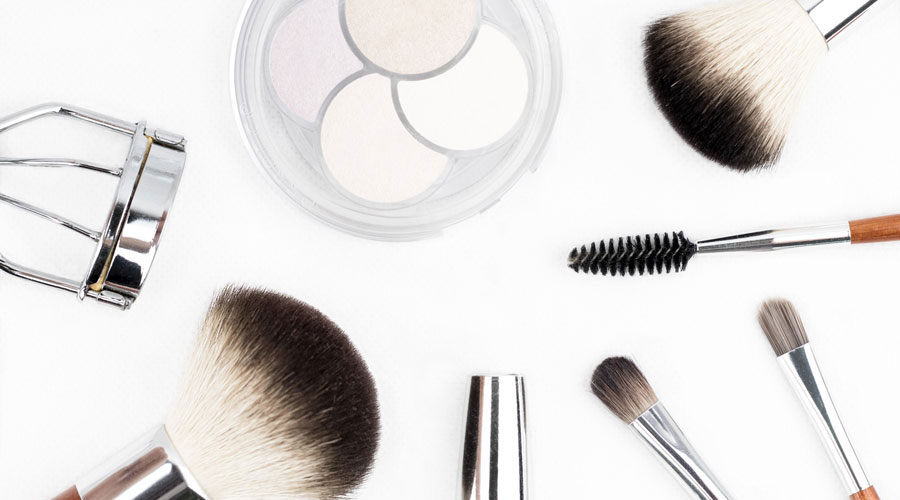
I did not need a full set of brushes, a foundation palette or a large bottle of toner. The sheet mask was a hotel-room luxury rather than a necessity, but it felt restorative after a long drive. Dry shampoo was more practical because it worked with the hairstyles I actually wore while travelling.
Buying locally meant I could carry less. If a favourite product had run out, Melbourne’s pharmacies and beauty stores offered many familiar options, and I could decide in person whether a texture suited my skin. This avoided the temptation to pack every potential replacement “just in case.”
See how the routine holds up over seven days
On day one, my skin was calm after cleansing and moisturising at home. The flight introduced tightness around my cheeks, but the serum and moisturiser took care of it without needing an emergency product. In Melbourne, I applied sunscreen before leaving the hotel and kept the rest of the routine compact.
The second and third days established the rhythm. Café mornings, warm afternoons and air-conditioned shops created alternating conditions, yet the products behaved consistently. I used less powder than expected and focused on reapplying sunscreen at midday. My skin looked comfortable rather than aggressively hydrated, which made makeup easier to apply.
By the fourth day, my face was mostly clear. The Phillip Island outing exposed me to wind and stronger sun, so I used the sunscreen stick and kept my hair covered with a hat. That evening, I applied the richer night cream after a thorough cleanse. I skipped exfoliation and let the barrier recover from travel and daily environmental exposure.
After returning to Sydney, I continued the same minimal routine for two more days before reintroducing a retinoid at home. Timing around professional treatments is another reason to leave room between appointments and travel. My CO2 laser recovery diary shows how much the skin can look and feel different after a more intensive procedure, making a calm, familiar routine especially reassuring.
The week reminded me that travel-friendly skincare is not about having fewer benefits. It is about choosing products with enough compatibility to support the skin while your surroundings change. The routine that should stay in my bag is the one that cleanses comfortably, hydrates without fuss, wears well under sunscreen and adapts easily from a plane to a coastal walk.