How I use a konjac sponge for gentle daily cleansing
I originally bought a konjac sponge because it looked almost too simple to be a serious beauty tool. The soft, porous material promised a hands-free cleanse, and I was curious whether it would fit my skincare shelf without adding another complicated bottle or electronic gadget. I also liked the idea of using a reusable cleansing aid rather than relying on a rough washcloth that can irritate my face.
A konjac sponge is not automatically gentle, though. Used dry or rubbed vigorously, it can become abrasive; used carelessly, it can also spread oil and product around. My approach is deliberately unhurried: hydrate the sponge, use a small amount of mild cleanser, keep my pressure light, and let the material do the work. That makes the sponge a simple option for daily cleansing rather than a treatment for acne or damaged skin.
Why a konjac sponge suits my routine
A konjac sponge is made from the porous root of a konjac plant and feels wonderfully soft once it has been properly hydrated. I like that it has one obvious purpose and no motor, rechargeable light or complicated settings. The low-tech nature suits my bathroom shelf, where too many half-used tools already collect.
For me, the sponge sits somewhere between my fingertips and a washcloth. It can spread a small amount of cleanser evenly without the direct friction of rubbing with my hands, but I do not believe it cleans more deeply or has any special clinical ability to “detox” the skin. Its appeal is convenience and consistency, not exaggerated skincare claims.
I also appreciate that my cleansing tool asks for no screen time, which is a useful counterpoint to the face and neck habits discussed in smartphone wrinkles. That connection is not about blaming a phone for every line; it simply shows how ordinary daily habits can influence how the face looks and feels.
Preparing my sponge for use
Before bringing the sponge near my face, I rinse it thoroughly under cool-to-lukewarm water. If it has dried out completely, I soak it for a few minutes until the fibres feel soft and flexible. I squeeze out excess water, but I never twist it aggressively or leave it soaking for hours, because rough handling can damage the material.
The sponge should feel like a damp soft cloth, not a dripping sponge. I add a small pump of gentle cleanser to my palm first, then lightly press the sponge into it. Using cleanser directly from the bottle can create too much foam and make it tempting to scrub, while a controlled amount keeps the process calm and prevents over-cleansing.
After each use, I rinse the sponge thoroughly and squeeze out the dirty water. I leave it on a clean surface in good airflow, away from the humid side of the shower screen, and never seal it away while it is still damp. I replace it according to the manufacturer’s guidance, commonly after one to three months of daily use, or sooner if it becomes rough, torn, stained or difficult to clean.
My gentle cleansing technique
In the morning, I begin by wetting my face with lukewarm water. I use a mild, fragrance-free cleanser when my skin needs it, working the sponge over my cheeks, forehead, nose and chin in slow, broad circles. I avoid my eyelids, nostrils and the corners of my mouth, where the skin is thinner and more easily irritated.
My pressure is light enough that the sponge glides rather than drags. I pay particular attention to areas that feel oily, but I do not scrub simply because I can see a little product there. After a short cleanse, I rinse my face with clean water and pat it dry with a soft towel. If I am using water alone, I rinse the sponge and face frequently so that I am not moving trapped residue across my skin.
At night, I remove makeup and heavier sunscreen before deciding whether the sponge is needed. A first cleanse with an oil-based cleanser or another suitable makeup remover takes off the surface layer; the konjac sponge can then loosen any remaining sunscreen or light residue with a mild cleanser. If my skin already feels clean, I do not feel obliged to cleanse twice. More passes are not automatically better, especially when my barrier is tired.
When I leave the sponge alone
I keep the sponge away from active, open or inflamed acne. Passing over a pustule can worsen irritation, break the skin or move bacteria from one area to another. I also avoid applying it to healing wounds, sunburn, eczema, psoriasis or skin that is flaky after a strong treatment. A cleansing tool should never add discomfort to a problem that already needs care.
I treat physical exfoliation separately from cleansing. I do not want to combine a rough sponge with a scrub, cleansing brush or harsh washcloth, because the cumulative friction can leave my skin sensitive. Nor do I use the sponge to work stronger exfoliating acids or retinoids more deeply into the skin. Those products can work without extra abrasion, provided they are used as directed.
If my face stings, feels hot or develops patches after cleansing, I stop using the sponge and rinse with plain lukewarm water. Persistent acne, rosacea or eczema deserves professional advice rather than experimentation with texture. In my experience, the gentler option is usually the one I can use without making the skin feel worse, and that is often simply my fingers and a mild cleanser.
Sunscreen and makeup come next
In Australia, sunscreen is an essential part of the morning routine because the UV index can be high even on days that feel cool or cloudy. After cleansing, I apply a broad-spectrum, water-resistant SPF 50+ sunscreen in a generous layer. I reapply it at least every two hours when I am outdoors, and after swimming, sweating or towelling myself dry.
Makeup removal deserves just as much care as the initial cleanse. I do not use the sponge to rub stubborn foundation or concealer away, because that combines friction with a delicate cleansing tool. For active breakouts, my makeup routine leans on covering active acne, keeping the product targeted rather than asking the sponge to handle blemishes as well.
In the evening, I remove my makeup thoroughly, then use the sponge only if another light cleanse is appropriate. Once everything is rinsed away, I allow my skin to dry and follow with moisturiser. The sponge is never the final step. Cleansing prepares the skin; sunscreen, moisturiser and makeup are what come afterwards.
Keeping my other tools simple
I still use my fingers for many parts of my routine because they give me the most control over pressure. The konjac sponge is useful for areas where I want an even layer of cleanser, but I do not believe every facial cleanse needs a tool. Having both options makes it easier to adjust when my skin feels sensitive or tired.
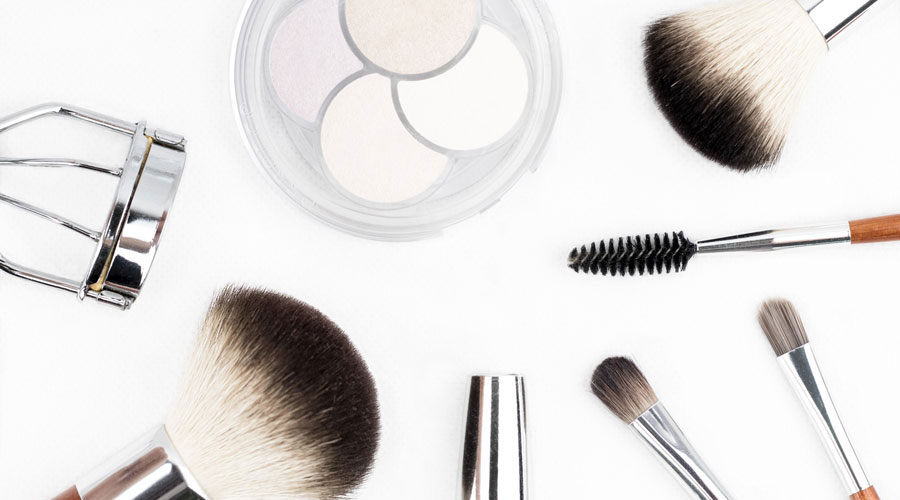
Makeup brushes are separate from my cleansing sponge, and I keep them that way deliberately. I have enjoyed the recommendations in affordable blending brushes, particularly for powder and finishing products. For cleansing, however, I prefer a soft sponge or clean fingers rather than a brush designed to buff colour onto the skin.
Hygiene matters more than having an impressive collection. I wash reusable brushes regularly, let them dry fully and avoid sharing them. I also keep my konjac sponge away from the bathroom floor and use it only for my face. Giving each tool a clear job makes the routine faster and reduces the temptation to use a powder brush, face cloth or sponge interchangeably.
Making it work in Australia
Konjac sponges are generally inexpensive, which suits the Australian preference for beauty on a budget. They are commonly available through beauty retailers such as Priceline and Chemist Warehouse, as well as online marketplaces and health-and-beauty stores. I compare the material, intended use and replacement guidance rather than paying more for elaborate packaging or claims that sound too good to be true.
The Australian climate changes how I care for the sponge. Humid weather around Brisbane can keep it damp for longer, so I give it extra airflow between uses. Melbourne’s dry air can make it lose moisture quickly, so I rehydrate it before cleansing. After a chlorine pool session or a coastal swim, I rinse both my face and the sponge thoroughly so I am not leaving salt or pool chemicals behind.
An online search for a sponge should end with practical details, not a diversion into quick demo games. I check whether the product is intended for the face, how it should be used and when it should be replaced. I also keep my cleaning routine uncomplicated: rinse, squeeze, air-dry and replace when the material loses its softness.
My routine is now compact and repeatable. I soften the sponge, use a small amount of mild cleanser, cleanse without scrubbing and let the sponge dry properly. I pay attention to the weather, keep my tools separate and leave irritated or active acne alone.
What should stay with me is simple: a clean, fully softened sponge, cleanser used sparingly, a light hand and sunscreen every morning. The sponge is only a supporting tool; comfortable skin and a routine I can repeat are what matter.