Makeup That Works With Acne-Prone Skin
Finding the best makeup products for acne-prone skin is less about discovering a magical foundation and more about choosing formulas that respect your skin barrier. The right base can soften the appearance of redness, post-acne marks and uneven texture without leaving a heavy film that feels uncomfortable by midday.
For Australian skin, the search can be especially specific. Heat, humidity, strong UV exposure and long commutes can turn a beautiful morning application into a shiny, congested-looking afternoon. A product that behaves perfectly through a cool Melbourne winter may slide in Brisbane or feel too drying during a windy Perth day.
Makeup is also only one part of the picture. Clean brushes, sensible removal and a simple skincare routine influence how your complexion responds just as much as a foundation label. Tracy’s approach at Aesthetically Bella brings beauty experiences and practical skincare advice together, which is useful when deciding whether a product is genuinely comfortable for your skin rather than merely attractive in its packaging.
Read the formula before the shade range
The words “non-comedogenic” and “oil-free” can be useful starting points, but they are not guarantees that a product will suit every person with breakouts. Non-comedogenic usually means the formula has been designed with a lower likelihood of blocking pores, yet individual sensitivities still matter. A lightweight, fragrance-free base may be more comfortable than a richly emollient one if your skin becomes congested easily.
Look for products with a short, understandable ingredient list when possible. Niacinamide can support the appearance of uneven tone, while hydrating ingredients such as glycerin and hyaluronic acid can reduce the dry, cracked finish that makes blemishes more noticeable. Avoid assuming that “natural” automatically means gentle; essential oils and heavily fragranced botanical extracts can irritate reactive skin.
Acne-prone skin can be oily in some areas and dehydrated in others. Matte makeup may control shine, but an extremely dry, fast-setting formula can cling to flakes around healing blemishes. A natural-matte or soft-satin finish is often easier to wear because it reduces shine without exaggerating every raised or rough patch.
Choose a breathable base
Tinted moisturisers, skin tints and light-to-medium coverage foundations are often good options for everyday wear. They allow some natural skin to show through and make it easier to apply less product over active blemishes. Look for fluid textures that spread evenly with clean fingers, a freshly washed sponge or a sanitised brush.
For more coverage, a buildable foundation is more versatile than a full-coverage formula that requires a thick layer everywhere. Apply a small amount from the centre of the face outwards, then add a pinhead-sized layer only where redness or pigmentation remains visible. This targeted approach can create a more polished result while keeping the overall base lighter.
Australian shoppers can usually compare a broad selection at Mecca, Adore Beauty, Sephora Australia and larger Priceline stores. Shade testing is valuable, especially when online images are affected by different lighting. Check the colour along the jaw rather than the hand, and allow the formula a few minutes to settle before judging whether it oxidises.
Use concealer strategically
A good acne-friendly concealer should cover without becoming thick, greasy or overly dry. Creamy, medium-coverage formulas tend to work well on redness because they can be tapped over a spot rather than dragged across it. For an active blemish, use a small flat brush or a clean fingertip and press the edges until they disappear into the foundation.
Green corrector can reduce the look of intense redness, though it is easy to overuse. A tiny amount beneath concealer is usually enough; too much can leave a grey or green cast, particularly on medium and deep skin tones. Peach, apricot or orange correctors may be more useful for brown or purple post-acne marks, depending on your complexion.
Avoid piling concealer over a blemish that is wet, open or freshly picked. Makeup can make the area look temporarily smoother, but it may also sting and complicate healing. A better approach is to protect the spot according to your usual skincare advice, then apply makeup around it or over it only when the surface is closed and comfortable.
Set shine without flattening your face
Loose or pressed setting powder can help makeup survive warm Australian weather, especially around the nose, forehead and chin. Instead of dusting powder over the entire face, press a small amount into areas that genuinely become shiny. Leaving the high points of the cheeks slightly more natural creates dimension and prevents a flat, overly powdered appearance.
Mineral powder foundations can be convenient for touch-ups, but check the full ingredient list and the finish. Some can look chalky over dry patches, while others provide a soft veil that is comfortable for oily or combination skin. A powder compact is also easier to carry in a handbag than a liquid bottle when you are moving between an air-conditioned office and hot outdoor conditions.
Blush and bronzer deserve the same care as foundation. Powder formulas are often practical for blemish-prone skin because they contain less of the rich slip found in some cream products, though cream blush can work if it is light, fragrance-free and removed thoroughly. Apply colour with a clean brush and avoid rubbing directly over raised or irritated spots.
Keep colour cosmetics clean
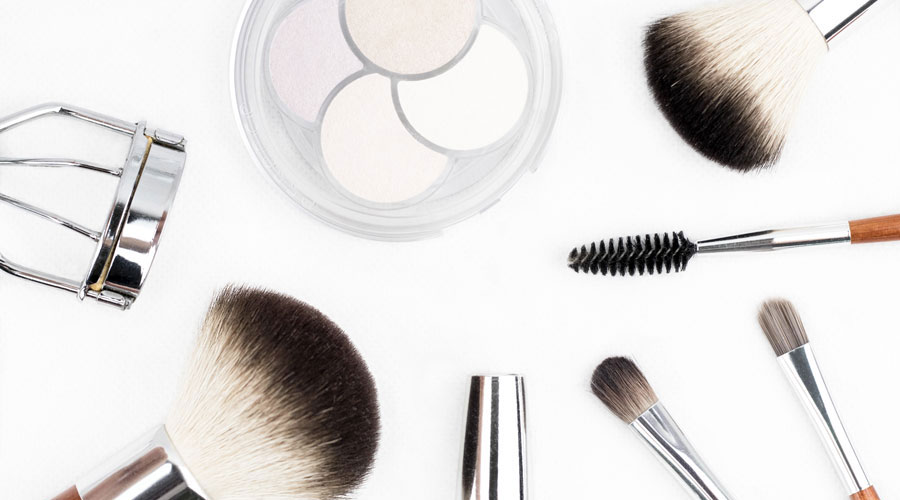
Brush hygiene is one of the most overlooked parts of wearing makeup with acne-prone skin. Foundation and concealer brushes collect oil, dead skin and product residue, so wash them regularly with a gentle cleanser or brush shampoo and allow them to dry fully. Sponges should be cleaned after each use and replaced frequently, particularly if they remain damp.
Do not share mascara, eyeliner, lip products or complexion products, even with family or close friends. Replace liquid eye makeup according to the manufacturer’s guidance and discard anything that changes smell, texture or colour. In hot weather, storing makeup away from a sunny bathroom window or a warm car can help preserve the formula.
Powder products do not stay hygienic forever either. Wipe the surface of compacts occasionally, wash the brush that touches them and avoid applying makeup directly after treating a blemish with a greasy product. These small habits will not prevent every breakout, but they reduce avoidable contamination and irritation.
Consider the Australian climate and sun
A product that lasts in Sydney’s coastal humidity may perform differently during a dry Canberra winter. Brisbane and Darwin can demand stronger oil control, while Adelaide and Perth may leave skin feeling parched after sun, wind and air conditioning. Testing makeup on a normal day, rather than only under shop lights, gives a more realistic idea of wear.
Makeup with SPF can add a little protection, but it should not replace a dedicated broad-spectrum sunscreen applied generously underneath. Australia’s UV levels can be high even when the temperature feels mild, and a base product is rarely applied in enough quantity to deliver its advertised protection. A lightweight, non-comedogenic sunscreen can provide a smoother canvas before primer and foundation.
Beach days, outdoor sport and the Australian habit of spending weekends in the sun require a different plan from office makeup. Waterproof or long-wear products may be useful for a special occasion, but they need careful removal. For everyday wear, a breathable base, sunglasses, a broad-brimmed hat and reapplication of sunscreen are more dependable than expecting makeup alone to handle intense exposure.
Match makeup to your wider skincare routine
The best cosmetic routine is easier to maintain when skincare underneath it is calm and consistent. Cleanse without scrubbing, use a moisturiser that suits your skin type and introduce acne treatments gradually rather than layering several strong actives before makeup. Irritated skin can make even an excellent foundation look patchy.
Redness and marks can also take time to settle, so makeup should conceal without encouraging constant picking. If texture or scarring is affecting confidence, professional options may form part of a broader plan; Tracy’s account of skin-tightening treatments shows how aesthetic experiences can sit alongside, rather than replace, daily skincare.
Some people also explore light-based devices as part of their routine. Tracy’s red light mask results offer a personal perspective, but any device or active treatment should be considered separately from makeup and used as directed. A cosmetic product can improve the appearance of the skin for the day; it does not treat the underlying cause of persistent acne.
Build a simple, wearable collection
A small kit can cover most occasions: a breathable base, a targeted concealer, a finely milled powder, a neutral blush and a comfortable lip colour. There is no need to replace every item at once. Change one product at a time so you can recognise whether a new formula is helping, irritating or contributing to congestion.
For a fresh look, pair a light skin tint with spot concealing and a little powder through the T-zone. For an event, add a more durable foundation in thin layers and use a setting spray only if its ingredients suit you. Eye makeup and lipstick can also shift attention away from areas you are self-conscious about, and a polished pair of accessories such as vermeil earrings in Paris can complete the look without adding more product to the skin.
Patch testing remains sensible when trying a new base, primer or concealer. Apply it to a small area for several days, then watch for itching, burning, new clusters of bumps or unusual dryness. Remove makeup gently at night, cleanse away residue around the hairline and wash pillowcases regularly, especially during hot weather.
The most reliable choices are lightweight, easy to remove and comfortable after several hours of wear. A breathable foundation, precise concealer, restrained powder application and clean tools can make acne-prone skin look polished without turning makeup into another source of stress. The key thing to remember is that makeup should support your skin, not fight it.